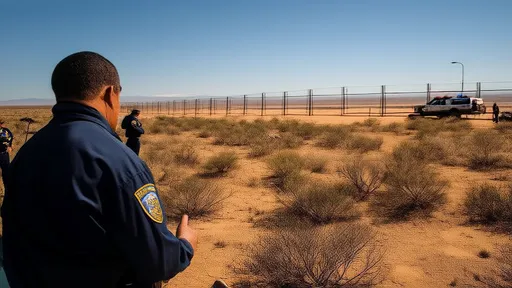
The United States and Mexico have reached a tentative agreement to delay the imposition of a 30% tariff on certain Mexican imports, following weeks of tense negotiations. In exchange, Mexico has pledged to strengthen its border security measures, particularly in curbing the flow of unauthorized migration and illicit goods. The deal marks a significant de-escalation in trade tensions between the two neighboring nations, though questions remain about its long-term effectiveness.
Background of the Tariff Threat
Earlier this year, the U.S. administration floated the idea of imposing steep tariffs on Mexican goods, citing insufficient cooperation on border enforcement. The proposed 30% levy would have targeted key industries, including automotive, agriculture, and manufacturing—sectors deeply integrated into North American supply chains. Business leaders on both sides of the border warned that such a move could disrupt trade worth hundreds of billions of dollars annually.
Mexico responded with a mix of diplomatic pushback and offers of compromise. Behind closed doors, officials from both countries worked to find middle ground, with Mexico emphasizing its recent efforts to intercept migrants and dismantle smuggling networks. The breakthrough came after a series of high-level meetings, where Mexican negotiators presented a detailed plan to increase surveillance and enforcement along its northern and southern borders.
The Terms of the Agreement
Under the newly struck deal, the U.S. will hold off on implementing the tariffs for at least six months, provided Mexico follows through on its commitments. These include deploying additional security personnel to high-traffic migration routes, investing in advanced detection technology, and cracking down on human trafficking organizations. Mexico has also agreed to share real-time intelligence with U.S. agencies to better monitor cross-border activity.
Critics argue that similar promises have been made in the past with limited results. However, supporters of the agreement point to Mexico's recent uptick in migrant apprehensions as evidence of its willingness to act. The Mexican government has framed the deal as a win for bilateral relations, avoiding punitive economic measures while addressing shared security concerns.
Economic Implications
The postponement of tariffs comes as a relief to exporters and manufacturers who rely on seamless trade between the two countries. Industry groups had warned that the proposed tariffs would have led to higher consumer prices, job losses, and production delays. With the threat now on hold, businesses can breathe easier—at least temporarily.
Still, some analysts caution that the reprieve may be short-lived if migration numbers spike again or if U.S. political dynamics shift. The agreement includes a clause allowing the U.S. to reinstate tariffs with little notice if it deems Mexico’s efforts inadequate. This creates lingering uncertainty for companies with cross-border operations.
Political Reactions
Reactions to the deal have been mixed. While the U.S. administration has touted it as a successful example of leveraging trade policy to achieve security goals, opposition lawmakers have dismissed it as a temporary fix that fails to address root causes of migration. In Mexico, the agreement has drawn criticism from some quarters for appearing to bow to U.S. pressure, though others see it as a pragmatic solution to avoid economic harm.
What remains clear is that the relationship between the U.S. and Mexico continues to evolve in complex ways, with trade and immigration remaining deeply intertwined issues. The coming months will test whether this latest agreement can deliver meaningful results or if it merely kicks the can down the road.

By /Aug 11, 2025

By /Aug 11, 2025

By /Aug 11, 2025
By /Aug 11, 2025
By /Aug 11, 2025
By /Aug 11, 2025

By /Aug 11, 2025
By /Aug 11, 2025

By /Aug 11, 2025

By /Aug 11, 2025

By /Aug 11, 2025
By /Aug 11, 2025

By /Aug 11, 2025

By /Aug 11, 2025

By /Aug 11, 2025

By /Aug 11, 2025
By /Aug 11, 2025

By /Aug 11, 2025

By /Aug 11, 2025

By /Aug 11, 2025