Toyota's Q1 Profits Plunge 37% Due to US Auto Tariff Impact

Aug 11, 2025 By

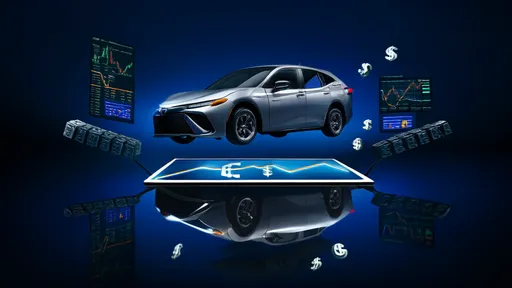
Toyota, one of the world's largest automakers, reported a staggering 37% drop in its first-quarter profits, sending shockwaves through the automotive industry. The sharp decline has been largely attributed to the escalating trade tensions between the United States and Japan, particularly the impact of higher tariffs on imported vehicles. As the company grapples with these financial headwinds, analysts are questioning whether this marks the beginning of a prolonged downturn for the Japanese automotive giant.


The financial results revealed that Toyota's operating profit for the April-June quarter fell to ¥578.66 billion ($3.9 billion), down from ¥919.27 billion in the same period last year. This dramatic decrease comes despite a modest 2% increase in global vehicle sales, suggesting that external economic factors rather than demand are driving the profit slump. The company's North American operations, traditionally a stronghold for Toyota, were particularly hard hit, with operating income in the region plummeting by nearly 50%.


The U.S. government's decision to maintain and potentially increase tariffs on imported vehicles has created significant challenges for Toyota's business model. Unlike domestic automakers who manufacture most of their U.S.-sold vehicles locally, Toyota still imports a substantial portion of its lineup from Japan. These vehicles, including popular models like the Land Cruiser and various Lexus offerings, now face a 25% tariff when entering the American market - a cost that Toyota has been forced to absorb rather than pass entirely to consumers.


Industry experts note that Toyota's predicament highlights the vulnerability of global automakers in an era of rising protectionism. "The automotive sector was built on principles of global supply chains and just-in-time manufacturing," said one analyst. "When major economies start erecting trade barriers, it disrupts decades of carefully optimized production strategies." Toyota's extensive global footprint, once considered a strength, has become a liability in the current geopolitical climate.


The profit decline has forced Toyota to reassess its strategic priorities. Company executives acknowledged during the earnings call that they are accelerating plans to shift more production to North America, particularly for models destined for the U.S. market. This includes expanding existing facilities in Kentucky, Indiana, and Texas, while potentially converting some Japanese production lines to focus on other markets. However, such transitions require massive capital expenditures and take years to implement fully.


Compounding Toyota's challenges is the simultaneous need to invest heavily in electric vehicle development. Like all traditional automakers, Toyota faces immense pressure to electrify its lineup amid tightening emissions regulations worldwide. The company recently announced ambitious plans to launch 30 battery electric models by 2030, requiring investments totaling ¥8 trillion ($53 billion). Balancing these technological transitions while mitigating tariff impacts presents a complex financial puzzle for management.


The tariff situation has also exposed weaknesses in Toyota's currency hedging strategies. The yen's recent volatility against the U.S. dollar has magnified the tariff effects, with the company losing an estimated ¥245 billion ($1.6 billion) from unfavorable exchange rates in the quarter alone. This currency impact was significantly larger than anticipated, catching many investors by surprise and contributing to a 5% drop in Toyota's share price following the earnings announcement.


Looking ahead, Toyota has revised its full-year profit forecast downward by 20%, anticipating continued pressure from trade policies and economic uncertainty. The company now expects operating profit of ¥2.4 trillion for the fiscal year ending March 2025, compared to its previous estimate of ¥3 trillion. This pessimistic outlook reflects growing concerns that the U.S. might impose even stricter trade measures following upcoming elections, regardless of which party prevails.


Some industry observers suggest that Toyota's current struggles may prompt a broader reevaluation of Japan's automotive export strategy. For decades, Japanese automakers have relied on exporting vehicles from domestic factories as a cornerstone of their business. However, with major markets like the U.S. and Europe increasingly favoring local production through both policy and consumer sentiment, this model appears increasingly unsustainable. Other Japanese automakers like Honda and Nissan are watching Toyota's situation closely, as they face similar pressures.


Despite these challenges, Toyota retains significant strengths that could help weather the storm. The company maintains a strong balance sheet with substantial cash reserves, and its reputation for quality and reliability continues to command premium pricing in most markets. Additionally, Toyota's growing presence in emerging markets like Southeast Asia and India provides some diversification from its U.S. exposure.


The coming months will be critical for Toyota as it navigates these complex economic and political currents. How effectively the company can adapt its production footprint, manage currency risks, and continue funding its electric transition while maintaining profitability will determine whether this quarter's profit drop represents a temporary setback or the beginning of a more fundamental challenge to its business model. For now, investors and industry watchers alike are bracing for what could be a prolonged period of uncertainty for the automotive giant.



Recommend Posts
Business

RMB Settlement Accelerates as Multiple Countries Explore Alternatives to the US Dollar

By /Aug 11, 2025

The global financial landscape is undergoing a quiet but significant transformation as more nations actively explore alternatives to the US dollar-dominated system. In recent years, the accelerated adoption of Chinese yuan for cross-border settlements has emerged as one of the most tangible developments challenging dollar hegemony. This shift reflects both practical economic needs and deeper geopolitical recalibrations taking place across international markets.
Business

Vietnam-US B2B E-commerce Platform Launched to Counter 20% New Tariffs Challenge

By /Aug 11, 2025

The recent launch of a Vietnam-U.S. B2B e-commerce platform marks a strategic response to the escalating trade tensions between the two nations, particularly the newly imposed 20% tariffs on select Vietnamese exports. This digital marketplace aims to streamline cross-border transactions, offering businesses on both sides an efficient and cost-effective alternative to traditional trade channels. As tariffs reshape the competitive landscape, this initiative could redefine how Vietnamese manufacturers and American buyers navigate the complexities of international commerce.
Business

Global Stock Markets Rally as Dow Jumps 1.3% and Nasdaq Soars 3.9%

By /Aug 11, 2025

The financial world breathed a collective sigh of relief this week as major indices staged an impressive recovery, with the Dow Jones Industrial Average climbing 1.3% while the tech-heavy Nasdaq Composite skyrocketed 3.9% in a single trading session. This robust performance marks one of the most significant rebounds since the market turbulence earlier this quarter, signaling renewed investor confidence across multiple sectors.
Business

Mexico Agrees to Postpone 30% Tariff in Exchange for Border Security Commitments

By /Aug 11, 2025

The United States and Mexico have reached a tentative agreement to delay the imposition of a 30% tariff on certain Mexican imports, following weeks of tense negotiations. In exchange, Mexico has pledged to strengthen its border security measures, particularly in curbing the flow of unauthorized migration and illicit goods. The deal marks a significant de-escalation in trade tensions between the two neighboring nations, though questions remain about its long-term effectiveness.
Business

Apple Pledges $100 Billion Investment in the US, Stock Price Soars 13% in a Week

By /Aug 11, 2025

In a move that sent shockwaves through financial markets, Apple Inc. announced an unprecedented $100 billion commitment to expand its U.S. operations, triggering the company's largest single-week stock price surge in over a decade. The tech giant's shares skyrocketed 13% in the five trading days following the announcement, adding nearly $300 billion to its market capitalization and single-handedly lifting several major market indices.
Business

US July CPI Forecast: Core Inflation May Determine the Extent of Fed's September Rate Cut

By /Aug 11, 2025

The upcoming July CPI data release in the United States has become a focal point for economists, traders, and policymakers alike. With the Federal Reserve's September meeting looming, all eyes are on whether inflation is cooling fast enough to justify another round of rate cuts. While headline inflation tends to grab attention, it's the core CPI figure—stripping out volatile food and energy prices—that may ultimately determine the Fed's next move.
Business

Eurozone Q2 GDP Grows Only 0.1%, Germany and Italy Fall into Recession

By /Aug 11, 2025

The eurozone economy teetered on the edge of stagnation in the second quarter of 2023, with preliminary data revealing a meager 0.1% growth that masks troubling divergences among its largest economies. Germany and Italy, two of the bloc's traditional powerhouses, unexpectedly slipped into contraction, casting doubt on the region's ability to avoid a prolonged downturn amid tightening financial conditions and weakening global demand.
Business

TSMC Shares Hit Record High After U.S. Grants Tariff Exemption

By /Aug 11, 2025

Taiwan Semiconductor Manufacturing Company (TSMC) saw its shares surge to an all-time high following the U.S. government's decision to exempt the chipmaking giant from certain tariffs. The exemption, which comes amid ongoing global semiconductor shortages and geopolitical tensions, has been viewed as a significant win for TSMC and its investors. Market analysts suggest the move underscores the critical role TSMC plays in the global supply chain, particularly for American tech companies reliant on its advanced chip production.
Business

Global Copper Prices Soar by 50%, Intensifying Cost Pressures on Manufacturing

By /Aug 11, 2025

The global manufacturing sector is grappling with an unprecedented cost crisis as copper prices have skyrocketed by 50% over the past year. This dramatic surge in the red metal's value is sending shockwaves through industries ranging from construction and electronics to renewable energy and automotive production.
Business

Toyota's Q1 Profits Plunge 37% Due to US Auto Tariff Impact

By /Aug 11, 2025

Toyota, one of the world's largest automakers, reported a staggering 37% drop in its first-quarter profits, sending shockwaves through the automotive industry. The sharp decline has been largely attributed to the escalating trade tensions between the United States and Japan, particularly the impact of higher tariffs on imported vehicles. As the company grapples with these financial headwinds, analysts are questioning whether this marks the beginning of a prolonged downturn for the Japanese automotive giant.
Business

China's June Social Financing Exceeds Expectations, Monetary Policy Effectively Supports the Real Economy

By /Aug 11, 2025

China's June aggregate financing figures exceeded market expectations, signaling that monetary policy measures to bolster the real economy are gaining traction. The latest data from the People's Bank of China (PBOC) revealed a stronger-than-anticipated expansion in social financing, reflecting improved credit demand and proactive financial support for businesses and households. Analysts suggest this development underscores Beijing's commitment to stabilizing growth amid lingering external uncertainties and domestic structural adjustments.
Business

Eli Lilly Shares Plunge 14% After Disappointing Weight-Loss Drug Trial Data

By /Aug 11, 2025

Shares of Eli Lilly & Co. plummeted by 14% in early trading Thursday after the pharmaceutical giant released lackluster clinical trial results for its highly anticipated weight-loss drug. The steep decline erased billions in market value, rattling investor confidence in one of the sector's most closely watched experimental treatments.
Business

Canada Seeks Multilateral Support at WTO Against US Steel Tariffs

By /Aug 11, 2025

Ottawa is preparing to escalate its trade dispute with Washington over the latter’s decision to impose a 35% tariff on Canadian steel imports. Senior government officials confirmed that Canada will formally challenge the measure at the World Trade Organization (WTO), arguing that the tariff violates international trade rules and undermines decades of economic cooperation between the two nations. The move signals a shift toward multilateral pressure after bilateral negotiations failed to yield concessions from the Biden administration.
Business

AI Firms Compete for Wall Street Quant Talents, Anthropic Holds Recruitment Event

By /Aug 11, 2025

The battle for elite quantitative talent has entered a new phase as artificial intelligence companies aggressively poach top minds from Wall Street's trading floors and hedge funds. In what industry observers are calling a "brain drain" of historic proportions, AI firms like Anthropic are leveraging their technological prestige and competitive compensation packages to attract quants who might have traditionally spent their entire careers in finance.
Business

RBA Cuts Interest Rates for the Third Time, Adopts Cautious Economic Outlook

By /Aug 11, 2025

The Reserve Bank of Australia (RBA) has delivered its third interest rate cut this year, signaling growing concerns over the nation's economic outlook. With global headwinds intensifying and domestic indicators softening, policymakers have opted for further monetary easing in an attempt to stimulate growth. This latest move brings the cash rate to a new record low of 0.75%, marking what many economists describe as an "unconventional phase" of Australian monetary policy.
Business

Trump Administration Clarifies Gold Tariff Policy, Gold Prices Fall in Response

By /Aug 11, 2025

The gold market experienced significant volatility this week following the Trump administration's unexpected clarification regarding gold import tariffs. Prices tumbled nearly 3% in intraday trading as investors digested the implications of the policy announcement that removed much of the uncertainty surrounding precious metals trade.
Business

Fed Hints at Possible Rate Cut by End of 2025, Market Bets on Action in September

By /Aug 11, 2025

The Federal Reserve's latest policy signals have set off a fresh wave of speculation across global markets, with traders increasingly betting on earlier rate cuts than central bank officials have projected. While Fed Chair Jerome Powell maintained the official forecast pointing to potential easing in late 2025, money markets have rushed to price in a first move as soon as September - creating one of the most striking policy divergences since the inflation battle began.
Business

OpenAI Plans $50 Billion Secondary Fundraising, Achieving Annual Revenue of $12 Billion

By /Aug 11, 2025

OpenAI, the artificial intelligence research lab behind the revolutionary ChatGPT, is reportedly gearing up for a secondary share sale that could value the company at a staggering $50 billion. This move comes as the company’s annual revenue is said to have reached $12 billion, marking a significant milestone in its rapid ascent within the tech industry. The potential funding round underscores OpenAI’s growing influence and the soaring demand for its AI-powered products and services.
Business

Tesla Secures Robotaxi License in Texas, Accelerating Autonomous Driving Commercialization

By /Aug 11, 2025

In a significant stride toward the future of autonomous mobility, Tesla has obtained a crucial license to operate its Robotaxi service in Texas. This regulatory approval marks a pivotal moment for the company as it pushes forward with its ambitious plans to commercialize self-driving technology. The move not only solidifies Tesla's position as a leader in the electric vehicle (EV) space but also signals a broader shift in the transportation industry toward driverless solutions.
Business

Bank of England Cuts Interest Rate by 25 Basis Points to 4.0% to Combat Economic Slowdown

By /Aug 11, 2025

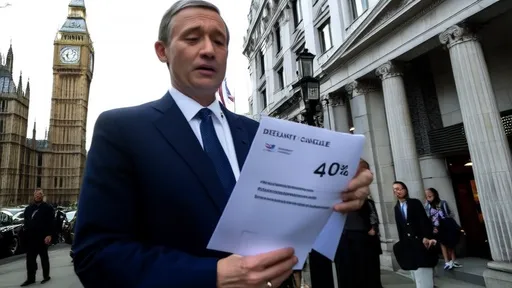
The Bank of England has taken decisive action to address growing economic headwinds, announcing a 25 basis point reduction in its benchmark interest rate to 4.0%. This move marks the first rate cut by the UK central bank in over three years and comes amid mounting evidence of an economic slowdown across multiple sectors.