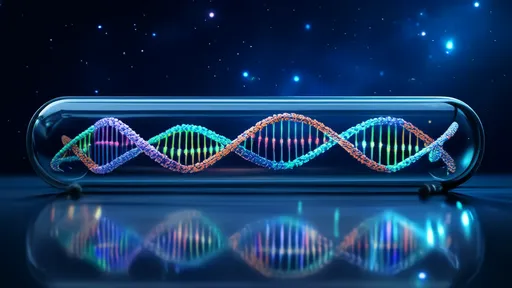
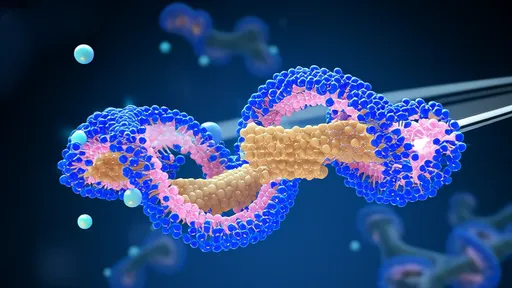
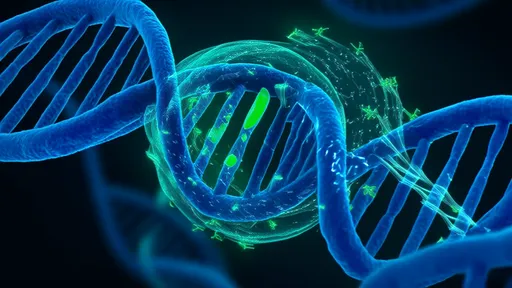
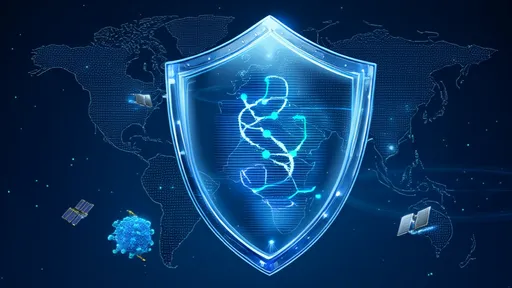
The specter of biological weapons has haunted humanity for decades, but recent advances in gene-editing technologies have amplified these fears to unprecedented levels. CRISPR-Cas9, synthetic biology, and other breakthroughs have democratized access to tools that could be repurposed for malicious intent. This dual-use dilemma has spurred global efforts to establish a "Defense Shield" against the misuse of genetic engineering—a coordinated system of surveillance, regulation, and response to mitigate existential threats.
Behind closed doors, intelligence agencies and scientific communities are grappling with a chilling reality: the line between groundbreaking medicine and weaponized pathogens is thinning. In 2016, a declassified U.S. intelligence report flagged CRISPR as a potential mass destruction tool, noting its affordability and ease of use. Unlike nuclear programs, which require vast infrastructure, a rogue actor with basic lab equipment could theoretically engineer a hyper-virulent strain of influenza or resurrect extinct viruses like smallpox. The 2018 case of a Chinese scientist creating CRISPR-edited babies—despite international condemnation—exposed how easily ethical boundaries can be breached.
The geopolitical stakes are stark. Nations with advanced biotech industries, including the U.S., China, and Russia, are investing heavily in defensive measures while walking a tightrope between transparency and secrecy. The Pentagon’s "SynBio Defense Program" and China’s military-linked genome institutes exemplify this arms race in protective technologies. Yet, as defense systems grow more sophisticated, so do potential evasion tactics. Some synthetic biologists warn of "sleeper agents"—engineered microbes that lie dormant until triggered by specific environmental cues, rendering traditional detection methods obsolete.
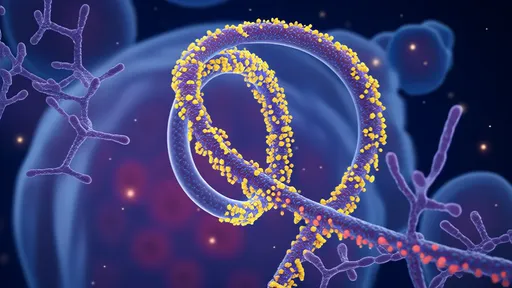
One underreported challenge is the commercial DNA synthesis industry, which operates globally with minimal oversight. A 2020 study in Nature Biotechnology revealed that 56% of providers failed to screen orders for hazardous sequences, including chunks of the Ebola genome. While the International Gene Synthesis Consortium (IGSC) has established screening standards, membership remains voluntary. This patchwork governance allows buyers to shop for compliant vendors, much like narcotics traffickers exploit jurisdictional gaps. "It’s not about shutting down science," clarifies a WHO biosecurity advisor, "but ensuring that the sale of genetic blueprints for pandemic pathogens becomes as regulated as plutonium."
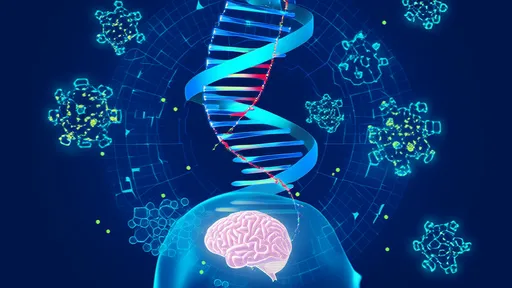
On the surveillance front, artificial intelligence is emerging as a double-edged sword. Machine learning algorithms now track suspicious research patterns, like clusters of papers studying toxin delivery mechanisms. However, these same tools can accelerate weapon design—researchers at ETH Zurich recently demonstrated how AI could suggest deadly virus combinations in minutes. The paradox underscores a broader tension: innovation outpacing governance. "We’re building the plane while flying it," admits a DARPA program manager involved in bio-threat prediction.
Perhaps the most contentious debate revolves around preemptive measures. Some security experts advocate for "DNA firewalls"—embedding kill switches in synthetic organisms to prevent unauthorized replication. Others propose mandatory biometric screening for all synthetic biology researchers, akin to airport security for microbiologists. Civil liberties groups counter that such measures risk stifling legitimate research and enabling surveillance states. The 2023 controversy over U.S. legislation requiring blockchain tracing of synthetic DNA orders highlighted these divisions, with academia and industry protesting excessive bureaucracy.
As the biological Defense Shield takes shape, its effectiveness hinges on unprecedented international cooperation. Unlike nuclear nonproliferation treaties, which involve state actors, biosecurity requires engaging private labs, preprint research archives, and even DIY biohackers. The recent establishment of a UN Office for Biosecurity marks progress, but enforcement remains nebulous. "The next pandemic could be deliberate," warns a former CDC director, "and our window to prevent it is closing." In this high-stakes balancing act, humanity must reconcile its thirst for scientific progress with the primal instinct for survival.

By /Aug 7, 2025
By /Aug 7, 2025

By /Aug 7, 2025

By /Aug 7, 2025

By /Aug 7, 2025
By /Aug 18, 2025
By /Aug 7, 2025
By /Aug 7, 2025
By /Aug 7, 2025
By /Aug 7, 2025
By /Aug 18, 2025
By /Aug 18, 2025

By /Aug 7, 2025
By /Aug 18, 2025
By /Aug 7, 2025
By /Aug 18, 2025
By /Aug 7, 2025
By /Aug 7, 2025

By /Aug 7, 2025
By /Aug 7, 2025