In a groundbreaking move to prepare students for the ethical challenges of modern science, Chinese secondary schools are integrating technology ethics into their biology curriculum. This initiative reflects growing global concerns about the societal impacts of rapid scientific advancement and aims to cultivate responsible future scientists and citizens.
The Ministry of Education's recent mandate requires all middle school biology courses to dedicate significant classroom time to examining the moral dimensions of biotechnology, genetic engineering, and other cutting-edge scientific developments. Unlike traditional science education that focuses primarily on technical knowledge, this revised curriculum encourages students to grapple with complex questions about human values, environmental consequences, and social responsibility.
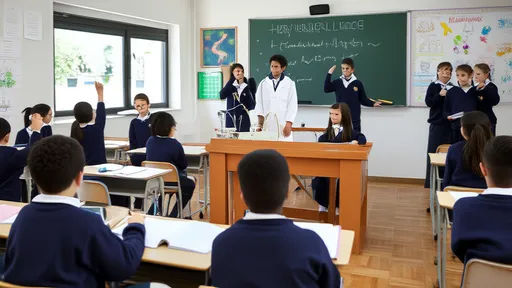
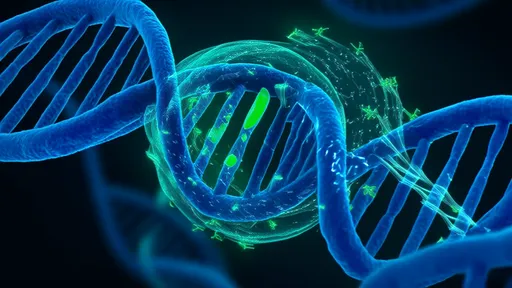
Classrooms across the country are buzzing with discussions about real-world dilemmas. Students analyze case studies ranging from CRISPR gene editing controversies to the ecological implications of de-extinction projects. One Shanghai biology teacher reported her students passionately debating whether bringing back extinct species constitutes responsible science or dangerous ecological interference during a particularly lively session.
The curriculum framework emphasizes four interconnected dimensions: understanding ethical principles, recognizing stakeholder perspectives, evaluating risk-benefit ratios, and developing moral reasoning skills. Rather than prescribing answers, teachers guide students through structured discussions that highlight the nuanced nature of scientific decision-making. This approach helps young learners appreciate that many technological advancements exist in ethical gray areas rather than clear-cut right or wrong scenarios.
Early feedback from pilot programs suggests the initiative is achieving its goals. Students demonstrate increased awareness of how scientific research intersects with human welfare and environmental sustainability. Perhaps more importantly, they're developing the critical thinking skills necessary to navigate future ethical challenges that today's educators can't yet anticipate.
Implementation hasn't been without challenges. Some teachers initially struggled with facilitating ethics discussions, having been trained primarily in technical biological sciences. Professional development workshops have helped address this gap by equipping educators with facilitation techniques and case study resources. Additionally, the program has sparked valuable conversations about how to assess ethical reasoning - a far more subjective skill than traditional science content knowledge.
Parents and policymakers have largely welcomed the initiative, though some conservative voices express concerns about introducing controversial topics too early. Supporters counter that middle school represents the ideal time to begin these conversations, as students are developing their moral frameworks while becoming increasingly engaged with technology in their daily lives.
The program's architects emphasize that this isn't about discouraging scientific progress but about fostering thoughtful innovation. As one curriculum developer explained, "We want students to see ethics not as a barrier to science, but as an essential component of doing science well." This perspective aligns with growing recognition in the scientific community that ethical considerations strengthen rather than hinder meaningful research.
International educators are watching China's experiment closely. While ethics components exist in many Western science curricula, the systematic integration at the secondary level represents an ambitious approach. Some education experts suggest this model could inspire similar reforms globally as societies grapple with increasingly complex bioethical questions.
Looking ahead, program leaders plan to expand the ethics curriculum vertically through high school and horizontally into other STEM subjects. They're also developing partnerships with research institutions to connect students with scientists actively working through these dilemmas. These efforts reflect a long-term vision for science education that prioritizes both intellectual achievement and social responsibility.
As biotechnology continues to advance at a breathtaking pace, today's students will face ethical questions we can scarcely imagine. By equipping them with robust ethical reasoning skills alongside scientific knowledge, China's education system aims to prepare a generation capable of steering technological progress toward humane and sustainable outcomes.

By /Aug 7, 2025
By /Aug 7, 2025
By /Aug 7, 2025

By /Aug 7, 2025

By /Aug 7, 2025
By /Aug 18, 2025
By /Aug 7, 2025
By /Aug 7, 2025
By /Aug 7, 2025
By /Aug 7, 2025
By /Aug 18, 2025
By /Aug 18, 2025
By /Aug 7, 2025
By /Aug 18, 2025
By /Aug 7, 2025
By /Aug 18, 2025
By /Aug 7, 2025
By /Aug 7, 2025
By /Aug 7, 2025

By /Aug 7, 2025